
Views: 0 Author: Site Editor Publish Time: 2025-12-12 Origin: Site


A Double Wall Paper Cup may look simple, yet its structure matters. Many people wonder what its two walls are made of. This article explains the materials that shape insulation, comfort, and safety. You will learn how these layers improve durability and support sustainable design.
The two walls of the cup are made from high-quality, food-grade paperboard. This material is chosen for its safety, strength, and excellent printability. The inner layer requires higher purity because it directly contacts beverages, ensuring hygienic performance. The outer layer can be slightly thicker or feature special textures to improve grip and appearance. Food-grade paperboard remains the industry standard because it delivers stiffness, durability, and reliable results across different beverage types.
The inner wall forms the primary container of the cup, holding hot or cold drinks without deforming. It resists moisture penetration, preventing leaks and softening. Many modern cups enhance this layer using water-based, polymer, or biodegradable coatings that improve liquid resistance while supporting eco-friendly goals. These coatings protect the paper fibers while maintaining safe, clean contact for consumers. This upgraded design helps the cup remain stable even during extended use.
The outer wall provides a second layer of strength and comfort. It acts as a shield, preventing heat from reaching the user's hand, even when filled with very hot beverages. This wall also offers a smooth surface for branding, logos, or decorative patterns, making the cup an effective marketing tool. Businesses may choose kraft, white, or printed finishes depending on their brand identity. The outer layer's rigidity adds structural support, helping the cup maintain shape under pressure.
Between the two paperboard walls lies an engineered air gap that functions as a natural insulation system. While not a physical material, this space plays a crucial role in performance. The trapped air slows heat transfer, reducing how quickly warmth or cold escapes from the drink. This clever design improves handling safety and enhances the drinking experience, especially for hot coffee, tea, or cocoa. It also removes the need for a separate sleeve.
Paperboard naturally offers thermal resistance due to its fiber structure. When two paperboard layers work together with an insulating air gap, heat transfer decreases significantly. This design explains why double-wall cups stay cooler on the outside and warmer on the inside. They maintain beverage temperature for longer periods compared with single-wall cups. Users enjoy consistent comfort, while businesses reduce the need for extra accessories such as cup sleeves.
Brands can further customize the cup by incorporating kraft textures, recycled fiber blends, or premium specialty inks. These add-ons do not alter the cup’s safety or core performance, but they enhance its visual appeal and sustainable profile. Kraft finishes give a natural, eco-friendly look. Recycled fibers reduce environmental impact. Specialty inks improve branding clarity and color vibrancy. Together, these options help companies differentiate their products in competitive markets.
Component | Material | Function | Key Benefit |
Inner Wall | Food-grade paperboard + coating | Holds liquid safely | Prevents leaks and moisture issues |
Air Gap | Engineered spacing | Insulation | Better temperature retention |
Outer Wall | Reinforced paperboard | Comfort and branding | Reduces heat and supports printing |
Two layers reduce heat transfer more effectively than one. The cup stays comfortable to hold while keeping drinks at stable temperatures. It also improves safety because the outer wall stays cool. This matters at cafés, food trucks, and events. It also improves customer satisfaction.
Notes: Insulated cups reduce burn risks and increase customer comfort.
A Double Wall Paper Cup is built using high-grade paper materials chosen for stability, safety, and print quality. Many manufacturers rely on FSC-certified fibers from responsibly managed forests to ensure traceable sourcing and environmental compliance. Cups often feature water-based dispersion barriers that deliver moisture resistance without relying on plastic coatings, making them more biodegradable and easier to recycle.
Production involves precise forming steps: slitting the paper, shaping the inner cup, wrapping the outer wall, and creating an accurate air gap between both layers. Automated double-wall cup machines enhance alignment, bonding strength, and uniformity across batches. These high-efficiency systems reduce material waste and improve output consistency, helping businesses maintain reliable product quality.
Tips: Choose suppliers equipped with automated double-wall systems to ensure tighter tolerances and stable production quality.
Double-wall cups deliver superior insulation compared with single-wall designs. The dual-layer structure holds heat longer and keeps the exterior cooler, improving user comfort. Ripple cups rely on a corrugated texture rather than two separate walls, creating distinct handling and visual effects.
While ripple cups offer grip, double-wall cups provide smoother surfaces ideal for branding, logos, and specialty printing. Their reinforced build also withstands temperature fluctuations better, making them more suitable for hot beverages served in cafés, bakeries, and take-out environments. Double-wall construction ensures the cup feels stable, safe, and premium to consumers.
Modern Double Wall Paper Cups increasingly use renewable fibers, reduced-plastic coatings, and recyclable barrier technologies. Many meet FSC certification standards, offering proof of responsible fiber sourcing. Some brands go further by incorporating CO₂-compensated manufacturing programs to lower total emissions.
Water-based or biodegradable dispersion barriers enable cups to break down more easily in recycling streams, supporting a circular economy model. These sustainable upgrades reduce environmental impact while aligning with consumer expectations for greener packaging solutions.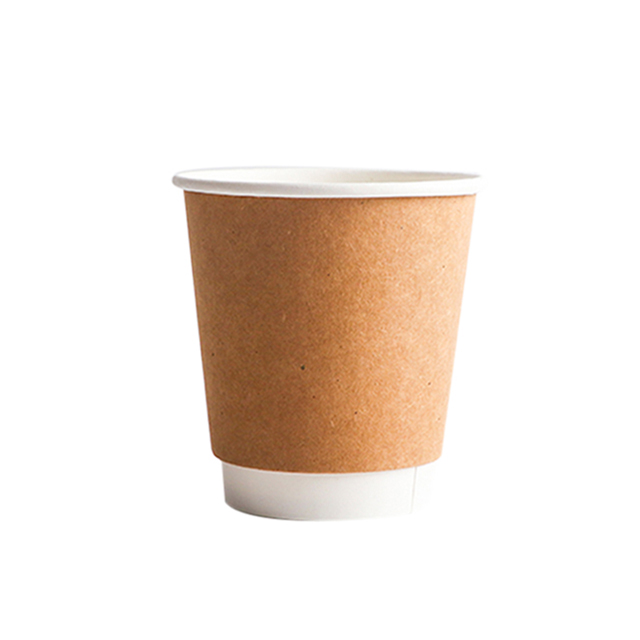
The outer wall significantly enhances visual presentation, giving companies a clean, smooth space for bold colors, logos, and promotional artwork. This creates a premium look that strengthens brand identity in competitive retail or café environments.
The added layer also improves user experience. It keeps the surface cooler, reduces the need for sleeves, and offers a sturdier feel in hand. Customers often choose double-wall cups for their comfort, stylish appearance, and dependable performance with hot drinks. These attributes influence customer perception and can increase repeat purchases.
Notes: Strong branding on high-quality double-wall cups boosts recognition, customer recall, and long-term loyalty.
Double wall cups handle hot drinks like coffee, tea, and cocoa with ease. Their insulated structure keeps beverages warm while keeping the outer surface cooler and more comfortable to hold. This makes them ideal for cafés, bakeries, and specialty drink shops that serve freshly brewed beverages throughout the day.
These cups also perform well with cold drinks. Iced tea, smoothies, and juices stay cooler for longer due to the insulating air gap. This prevents condensation, reduces cup softness, and maintains a clean appearance at events, retail kiosks, and outdoor venues.
The strong paperboard structure maintains stability even in busy environments. Festivals, conferences, and corporate events often choose double wall cups because they withstand handling, stacking, and quick service without deforming or leaking. Their smooth exterior also enhances the visual appeal of large-scale beverage service.
Double wall cups are especially popular in take-away and delivery operations. The reinforced outer layer protects hands during transport, while the inner wall preserves drink temperature during short travel periods. Their reliability reduces spills and improves customer satisfaction in cafés, food trucks, and mobile beverage services.
Durability, insulation, and comfort combine to create a positive user experience across a wide range of beverage types. Businesses value these qualities because they minimize complaints, enhance brand image, and support consistent product delivery.
A Double Wall Paper Cup uses two strong paperboard layers and an insulating air gap. This design improves comfort and heat control while supporting long-lasting durability. Eco-friendly coatings, fibers, and inks strengthen performance and sustainability. As materials advance, insulation and green features continue to improve. SYTAI offers reliable double-wall cup solutions that deliver comfort, safety, and strong branding value for businesses.
A: They use two paperboard layers and an insulating air gap formed by double wall paper cup materials.
A: Their materials create stronger heat resistance, and double wall paper cup materials improve hand comfort.
A: Yes, the inner layer uses food-grade double wall paper cup materials for safe contact.
A: Many cups use recyclable fibers, and the Double Wall Paper Cup supports eco-friendly disposal.
A: The reinforced paperboard layer uses durable double wall paper cup materials for better grip.
A: Yes, the added layer increases material use, but a Double Wall Paper Cup offers better value.


