
Views: 0 Author: Site Editor Publish Time: 2025-12-10 Origin: Site


Ever burned your hand on a cup while others stayed perfectly cool?It’s not the drink but the design. A Single Wall Paper Cup and a Double Wall Paper Cup perform very differently.Understanding this difference matters for comfort, cost, and customer experience.
In this article, you will learn how each cup affects heat control, durability, and sustainability.
A single-wall paper cup is made from a single sheet of paperboard formed into a light, compact drinking vessel. Its simple structure makes it economical, easy to store, and faster to manufacture. This design works well for:
● Cold drinks
● Warm drinks that are served quickly
● High-volume environments where cost control is important
However, the single layer allows heat to travel directly through the cup, which may make it uncomfortable to hold when serving hot beverages. Many cafés use sleeves to fix this, but sleeves add cost and increase material usage.
Notes: Single-wall cups offer excellent sustainability performance because they use fewer raw materials.
A double-wall paper cup has two layers of paperboard. The outer wall creates a buffer that slows down heat transfer, so the customer feels less heat on their hands. The added insulation also helps maintain drink temperature longer, which benefits takeaway coffee and tea.
Double-wall cups feel sturdier and more premium. They also eliminate the need for sleeves in most cases. However, they use more material and require a more complex production process, which results in higher cost.
Tips: Choose double-wall cups when comfort and brand image matter more than lowest unit price.
Below is a simple comparison of how each design performs:
Feature | Single-Wall Paper Cup | Double-Wall Paper Cup |
Layers | One layer | Two layers |
Rigidity | Moderate | High |
Heat Protection | Low | High |
Sleeve Needed | Often yes | Not needed |
Branding Space | Flat surface | Thicker, more prominent appearance |
These structural differences directly influence how customers perceive your brand. A sturdier cup signals higher quality and enhances the overall drinking experience.
The biggest difference between single-wall and double-wall paper cups lies in how they handle heat:
A single wall transfers heat quickly, making the cup warm to the touch.
A double wall slows heat movement thanks to the insulating gap, creating a more comfortable handling experience.
This concept is similar to double-pane windows, where the air space improves insulation. In practice, double-wall cups keep drinks warmer longer and prevent discomfort for customers on the go.
Notes: Better insulation often leads to higher customer satisfaction and fewer complaints.
Single-wall cups are made with straightforward forming equipment. The process uses less energy, fewer materials, and simpler cutting and bonding steps.
Double-wall cups require extra forming, bonding, and shaping stages. Some designs include textured or patterned outer layers for improved grip or insulation. These additional steps improve performance but raise production costs.
Because production is more complex, double-wall cups typically come at a higher price point. However, this cost may balance out when sleeves are not needed.
Paperboard quality directly affects how the cup performs:
Premium paperboard creates a sturdier cup that resists bending.
Coated surfaces improve moisture resistance and reduce tearing.
Lightweight materials lower cost but may reduce durability.
Double-wall cups can use different coatings or materials on the inside and outside, enhancing protection during transport and use.
Tips: Choose higher-grade paperboard for delivery services where durability is essential.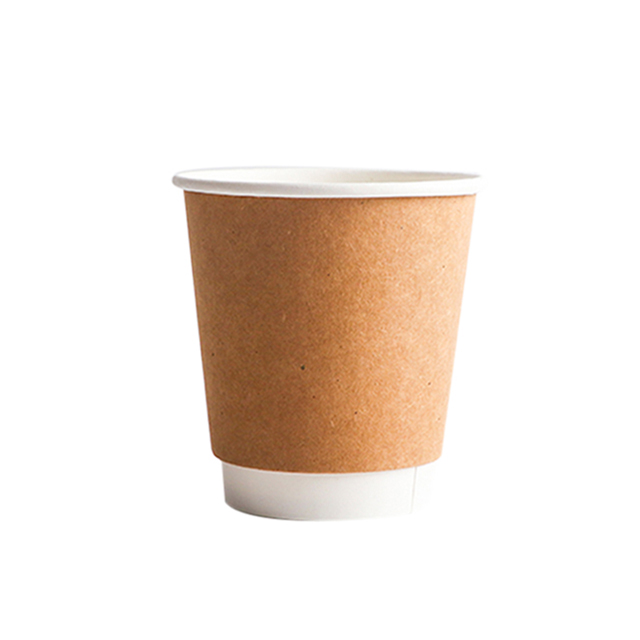
Insulation is the most important area where the two cup types differ.
Single-wall cups quickly become hot to the touch. This requires sleeves or double-cupping for safety and comfort.
Double-wall cups remain cool on the outside, even with very hot beverages. This improves handling and reduces material waste.
Double-wall cups maintain beverage temperature longer, improving taste and customer satisfaction—especially during long commutes or delayed consumption. Single-wall cups allow heat to escape quickly, which may affect the flavor of specialty beverages.
Use double-wall cups when:
Serving very hot beverages
Offering premium or specialty coffee
Operating in colder climates
Providing drinks for long takeaway periods
Eliminating sleeves to save cost and storage space
Single-wall cups perform well in:
Cold beverages
Quick-serve cafés
Office breakrooms
Budget-focused programs
Events where drinks are consumed quickly
Notes: Double-cupping single-wall cups often costs more than using a double-wall cup.
Single-wall cups use significantly fewer materials. They reduce:
● Paper usage
● Manufacturing energy
● Packaging volume
● Transport emissions
Because they use less paperboard and weigh less, they offer clear environmental benefits over double-wall cups.
Single-wall cups stack more densely, reducing:
● Warehouse storage needs
● Shipping weight
● Freight costs
Double-wall cups take up more space due to their thicker construction.
Tips: If your business has limited storage, single-wall cups improve logistics efficiency.
Single-wall cups are generally easier to recycle because they contain fewer layers and simpler coatings. Their single-layer structure allows most recycling facilities to separate the paper fibers more efficiently, which increases the likelihood of successful material recovery. For companies prioritizing circular packaging, this simplicity offers a clear advantage.
Double-wall cups, however, can still be recyclable or compostable depending on the materials used. Some designs use plant-based liners or fiber-only structures that support composting. Yet disposal options can vary widely by region, and not all facilities accept multi-layered packaging. Businesses need to confirm local recycling or composting capabilities before choosing these cups.
Notes: Always check whether your waste provider accepts multi-layer paper products to avoid contamination penalties.
Businesses must balance functional requirements with environmental commitments.
If insulation needs are low—such as with cold drinks or short-serve beverages—single-wall cups remain the greener choice due to lower resource use.When customer comfort, premium brand perception, or heat retention matters, double-wall cups may justify the added footprint. Their insulation can eliminate the need for sleeves, reducing total material usage in practice. Many brands now pair double-wall cups with responsibly sourced paperboard or certified sustainable materials to offset environmental impact.
Ultimately, the best choice depends on local waste systems, drink temperature, and service style.
Tips: Conduct a lifecycle cost review to determine which cup type supports long-term sustainability goals.
Choosing the right cup influences more than the unit price. It affects workflow, storage, customer experience, and overall operating expenses.
Single-wall cups have a simpler manufacturing process, using less paperboard and fewer bonding steps. This reduces both material consumption and energy requirements, making them the most economical option at scale.
Double-wall cups require an additional forming stage to create the insulating outer layer. This increases material usage and production time. As a result, double-wall cups carry a higher unit cost, which buyers must consider when ordering large volumes.
Single-wall cups often require sleeves when serving hot drinks.
● This adds:Extra cost per beverage
● Additional storage space
● More inventory management
● Increased environmental impact
In some cases, the combined cost of a single-wall cup plus sleeve exceeds the price of a double-wall cup. For businesses that frequently serve hot beverages, this can significantly affect margin.
Double-wall cups eliminate the need for sleeves, streamlining operations and reducing clutter at the service counter.
Notes: Fewer SKUs also simplify ordering and reduce stocking errors.
For cold drinks or fast-paced service environments, single-wall cups deliver excellent value. Their lower unit cost and compact storage make them ideal for high-volume operations.
For hot beverages or premium cafés, double-wall cups often become more cost-effective over time. While the upfront price is higher, they remove the need for sleeves, enhance customer comfort, and improve drink quality—leading to better satisfaction and repeat purchases.
Businesses should evaluate total cost per use rather than unit cost alone. This includes:
● Sleeve usage
● Customer handling comfort
● Waste reduction
● Brand presentation
● Storage efficiency
A well-chosen cup type can reduce hidden expenses and support long-term profitability.
Scenario | Best Option | Reason |
Quick-serve drinks | Single wall | Lower unit cost |
Premium takeaway coffee | Double wall | Better insulation |
High-volume cold drinks | Single wall | Lightweight storage |
Delivery orders | Double wall | Maintains heat longer |
Notes: Always evaluate sleeve costs when comparing cup pricing.
Scenario / Environment | Best Use for Single-Wall Paper Cups | Best Use for Double-Wall Paper Cups |
Drink Temperature | Iced drinks, smoothies, cold brew | Hot coffee, tea, specialty hot beverages |
Service Speed | High-volume, budget-focused operations | Premium cafés with slower, quality-focused service |
Event Type | Office events, festivals, large gatherings | Outdoor events, catering, branded activations |
Customer Experience Needs | Basic functionality, low-cost service | Premium comfort, better heat protection |
Delivery & Takeaway | Short-distance or cold beverage delivery | Hot drink delivery where heat retention matters |
Branding & Presentation | Simple branding at scale | Premium branding for strong visual impact |
Busy cafés benefit from double-wall cups when hot drinks dominate sales. Cold-drink-focused operations can rely on single-wall cups to maintain cost efficiency.
Cup feel directly influences customer satisfaction.
Double-wall cups feel more substantial and comfortable. Single-wall cups feel lighter and may become too warm during use.
Double-wall cups remove the need for sleeves, reducing clutter and improving workflow. This makes them ideal for high-traffic cafés.
Double-wall cups provide:
● A smoother printing surface
● Larger perceived size
● Premium visual appeal
Single-wall cups are cost-effective for high-volume branding campaigns.
Customers often associate double-wall cups with higher-quality beverages and better service standards.
Notes: Packaging influences consumer perception, which may boost brand loyalty.
Ripple-wall cups offer a middle ground between single-wall and double-wall designs.
Ripple-wall cups use a textured outer layer to create built-in air pockets for insulation. This design provides effective heat protection and a strong grip.
Feature | Ripple Wall | Single Wall | Double Wall |
Insulation | High | Low | High |
Branding Surface | Textured | Flat | Smooth |
Cost | Medium | Low | Higher |
Sleeve Needed | No | Yes | No |
They work well for:
● Hot drinks
● Event service
● Businesses wanting a unique tactile design
Many businesses use multiple cup types:
● Ripple-wall for specialty drinks
● Single-wall for iced beverages
● Double-wall for premium takeaway coffee
Single-wall and double-wall cups differ in comfort, cost, and sustainability. Single-wall cups offer simplicity and efficiency. Double-wall cups provide stronger insulation and a premium feel that improves customer comfort. The right choice depends on drink temperature, service needs, and brand goals. When chosen wisely, both options improve service quality and reduce waste. Sytai supports businesses by offering reliable cup solutions that enhance performance and deliver lasting value.
A: The key difference between single-wall and double-wall paper cups is insulation performance, and a Single Wall Paper Cup Double Wall Paper Cup offers different heat control levels.
A: A Double Wall Paper Cup has an insulating gap that improves comfort and reduces heat transfer, showing the difference between single-wall and double-wall paper cups.
A: A Single Wall Paper Cup works best for cold drinks or short-use situations and fits the basic difference between single-wall and double-wall paper cups.
A: A Double Wall Paper Cup usually costs more due to extra material, reflecting the practical difference between single-wall and double-wall paper cups.


